


Understanding the Current Mineral Market Landscape
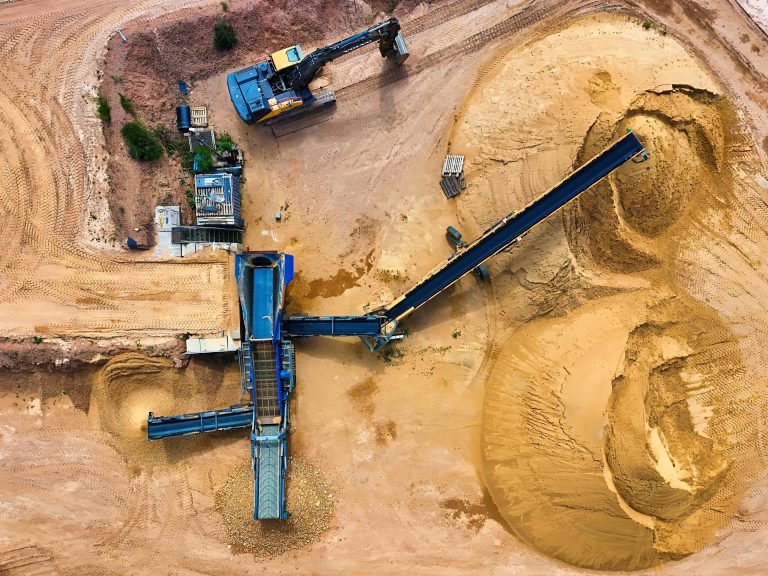
The mineral market landscape is characterized by a complex tapestry of stakeholders, regulatory frameworks, and transaction processes. Within this ecosystem, the flow of minerals from extraction to end-use consumers is often hindered by inefficiencies that can undermine market dynamics. Presently, mineral listings and purchasing primarily occur through established channels that may lack transparency, ultimately affecting both pricing and availability.
One significant challenge facing the current mineral market is the opacity surrounding transaction depths and market pricing. Investors, miners, and end-users often struggle to obtain accurate data on mineral availability and pricing, leading to potential exploitation or significantly delayed negotiations. This lack of transparency can create an uneven playing field where only a few players benefit from insider knowledge, curtailing broader market participation.
Additionally, the transaction processes involved in mineral procurement can be protracted and inefficient. Traditional systems require extensive documentation and regulatory approvals, often resulting in lengthy delays that can frustrate both sellers and buyers. The consensus within the industry highlights that antiquated methods of operation inhibit timely responses to market changes, which ultimately affects profitability and sustainability.
Moreover, regulatory hurdles can further complicate the mineral market. Different countries and regions impose varying regulations that may inhibit international trade. Compliance with these regulations can be costly and time-consuming, deterring smaller players from entering the market, thereby fostering monopolistic tendencies among larger entities.
In essence, the current mineral market is plagued by these multifaceted challenges, which calls for a reevaluation of existing systems. Addressing these issues is crucial for fostering an efficient market that promotes fairness, accessibility, and integration, setting the foundation for a decentralized approach to mineral management.
Defining Decentralization in the Context of Mineral Markets
Decentralization is a pivotal concept that fundamentally alters how various markets operate, particularly within the context of mineral management. In essence, decentralization refers to the distribution of authority, control, and decision-making away from a centralized entity to individual stakeholders or localized groups. This transition allows for a more equitable participation of all actors involved in the mineral market, ensuring that diverse voices contribute to decision-making processes.
One of the primary principles of decentralization is increased accessibility. When mineral markets adopt decentralized structures, they become more open and approachable, enabling smaller players, such as local miners and small-scale suppliers, to participate actively in the market. This empowerment of individual stakeholders not only democratizes access to resources but also fosters innovation and competition, essential elements for a robust market ecosystem.
Furthermore, decentralization enhances transparency within mineral markets. With traditional, centralized systems, opacity often clouds transactions, leading to inefficiencies and corruption. In contrast, decentralized systems leverage technologies like blockchain to provide immutable records of transactions and activities, making it easier for stakeholders to verify operations and maintain accountability. The result is a more trustworthy environment, where information is freely available to all participants.
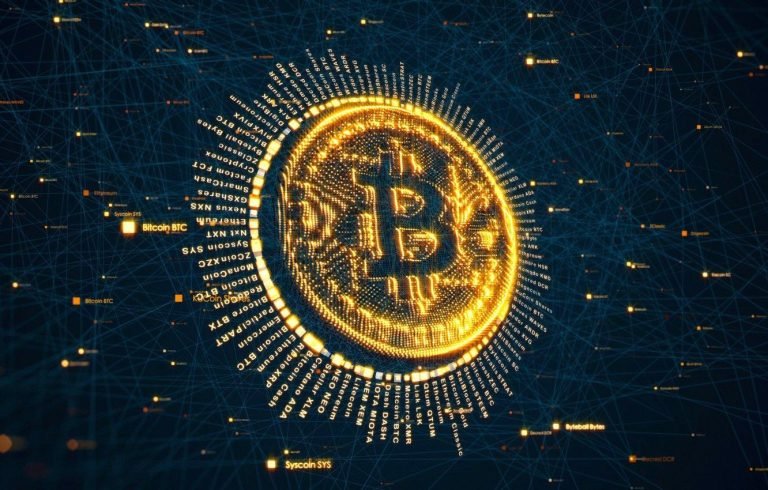
Several other industries have successfully implemented decentralized models, primarily in sectors such as finance and supply chain management. Notable examples include cryptocurrencies that function without a central governing authority and decentralized autonomous organizations (DAOs) that enable collective decision-making through smart contracts. These cases exemplify how decentralization can lead to improved operational efficiencies, responsiveness to market changes, and enhanced stakeholder trust, traits that can be effectively translated into the mineral sector.
The Benefits of a Decentralized Market Space for Minerals
In recent years, the need for a decentralized market space for minerals has gained prominence due to its multiple advantages. One significant benefit is the enhanced efficiency in transactions. Decentralized platforms enable direct peer-to-peer interactions, reducing intermediaries and thus expediting the negotiation and transaction processes. This streamlined approach not only saves time but also minimizes potential delays associated with traditional methods.
Moreover, a decentralized market fosters improved data sharing and access. By utilizing blockchain technology, stakeholders can access real-time data regarding pricing, quality, and availability of minerals, enhancing informed decision-making. Such transparency is crucial for promoting trust among market participants, as it mitigates duplicity and uncertainties that often accompany the centralized systems.
In addition, decentralization increases competition within the mineral market. By removing barriers to entry, smaller players can more readily participate, which ultimately leads to a more dynamic market landscape. This competition can drive innovation, leading to better products and services for consumers. As seen in other sectors, such as the decentralized finance industry, increased competition has proven to enhance efficiency and service delivery.
Furthermore, the reduction of costs associated with transactional activities is a pivotal advantage of a decentralized market space. The elimination of intermediary fees and the ability to negotiate directly between buyers and sellers can lead to substantial savings, making mineral trading more profitable for all involved parties.
Finally, a decentralized market opens up enhanced opportunities for small and medium-sized enterprises (SMEs). These businesses often face challenges in accessing large markets due to stringent regulations and significant upfront costs in centralized systems. A decentralized approach enables SMEs to connect with a broader audience, thus empowering them to grow and contribute to the economy.
Implementation Strategies and Future Outlook
The introduction of a decentralized market space for mineral management necessitates a comprehensive and methodical approach to ensure its successful implementation. Central to this endeavor is the establishment of a robust governance framework that delineates the roles, responsibilities, and decision-making processes of all participants. This framework should prioritize transparency and adaptability, allowing stakeholders to influence governance structures responsively. Developing this framework requires the involvement of diverse stakeholders, including miners, governments, environmental groups, and technology developers to ensure that various perspectives are accurately represented and integrated.
In tandem with establishing governance, fostering collaboration among stakeholders is critical in mitigating potential disputes and enhancing trust within the market. Collaborating entities can engage in workshops, forums, and collaborative projects aimed at building trust and understanding of the decentralized model. Utilizing digital platforms can facilitate ongoing communication and co-creation of solutions among stakeholders, thus strengthening their commitment to the decentralized system.
The integration of technology plays a pivotal role in enhancing trust and security within the mineral market space. Leveraging blockchain technology, for instance, can provide a secure and immutable record of transactions, enhancing accountability and traceability throughout the supply chain. Utilizing smart contracts can automate and enforce agreements in real-time, further ensuring adherence to the established rules within the decentralized market.
However, the transition to a decentralized market space is not without challenges. Potential hurdles include regulatory uncertainty and resistance from established entities who may perceive this new model as a threat to their operations. Addressing these challenges will require continuous dialogue with regulators and policymakers to create a supportive legal environment. As this decentralized framework evolves, it may redefine the future landscape of mineral management, fostering innovation while promoting sustainable practices that benefit all stakeholders.